
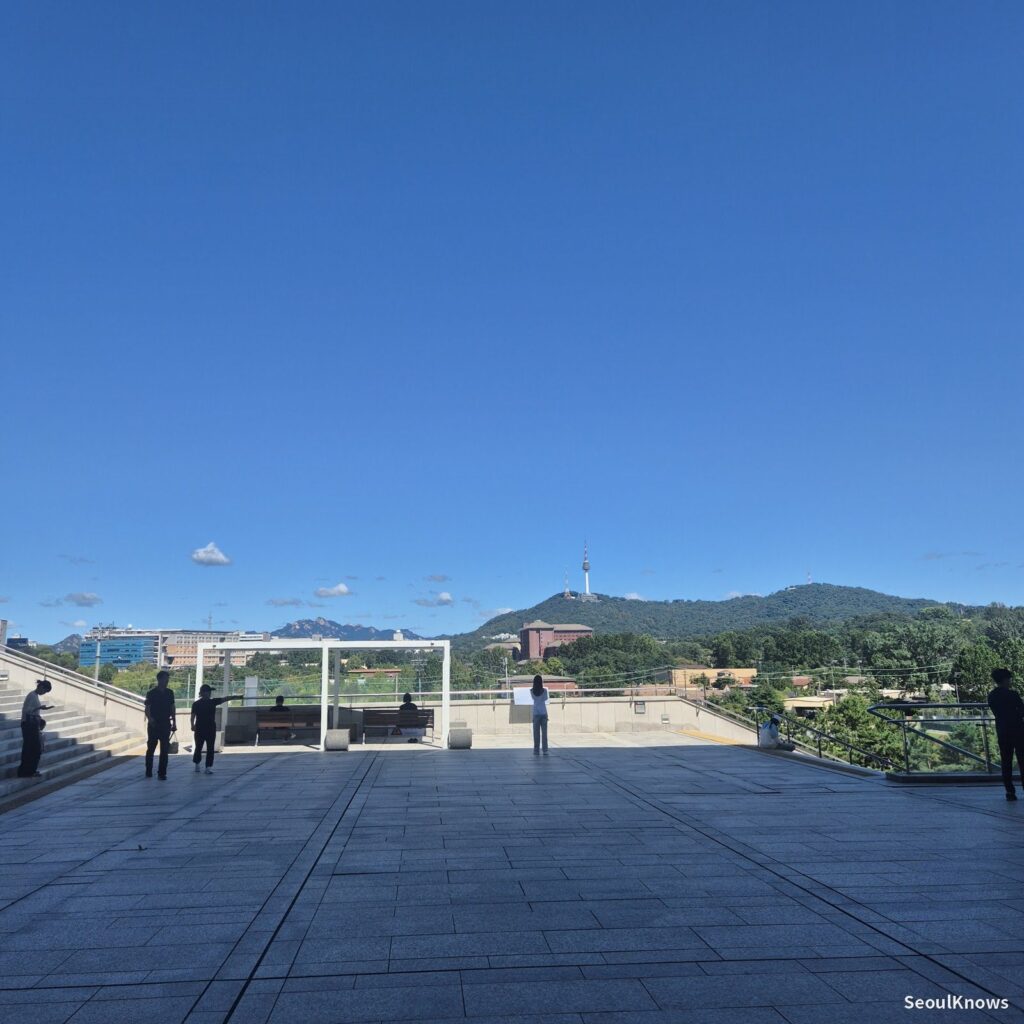
Planning your first trip to Seoul? This page brings together the SeoulKnows guides we would send a friend before their first visit: how to get in from the airport, how to get around, what to see first, what to eat, the customs that surprise visitors, and where to stay. Everything here is written from our own experience living in and exploring the city.
1. Arriving
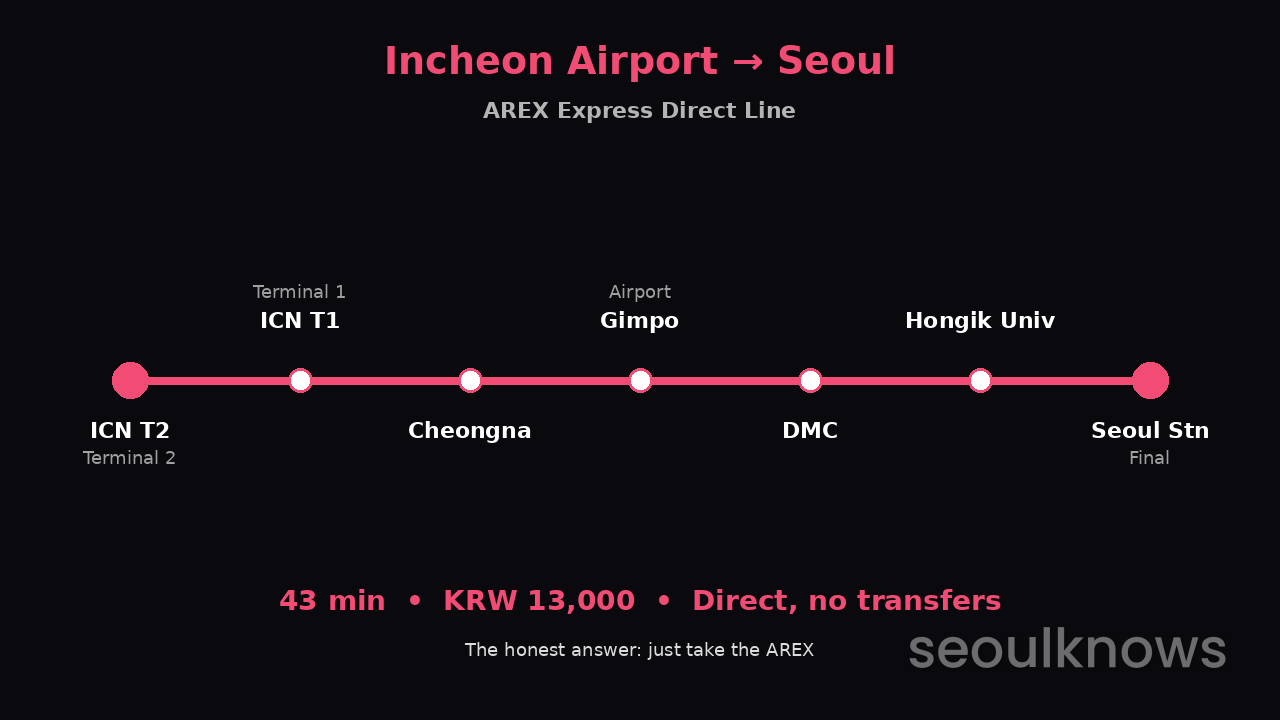
- Incheon Airport to Seoul
The honest answer is usually the AREX train, but where you are staying, how many of you there are and what time you land can change that. - Long layover at Incheon?
Spend it at Inspire Resort, a free shuttle ride from Terminal 1. - Seoul Station guide
Luggage storage, food, the KTX and the Airport Railroad all in one hub. - Suseo Station (SRT) guide
The high-speed terminal for Gangnam and Jamsil, and why a KORAIL PASS does not work there. - Gimpo to Jeju domestic flights
If Jeju is on your list too.
2. Phone, money and shopping
- Do you need an eSIM in Korea?
An eSIM gets you data but not a Korean number. What that does and does not stop you from doing. - Tax refunds in Korea
How to actually get your money back on shopping. - Buying glasses in Korea
New glasses in about 15 minutes, often for much less than at home. - Getting your nails done
Real prices and how booking works.
3. Getting around
One card covers almost everything. Buy a T-money card at any convenience store, top it up at the machine inside any station, and tap it on the subway, city buses and most taxis. Transfers between subway and bus are free if you tap again inside the transfer window, which is why a full day of moving around the city costs so little. You do not need a tourist pass for a short trip. Fares, cards and which one you need has the current prices and compares T-money with the Climate Card if you are staying longer.
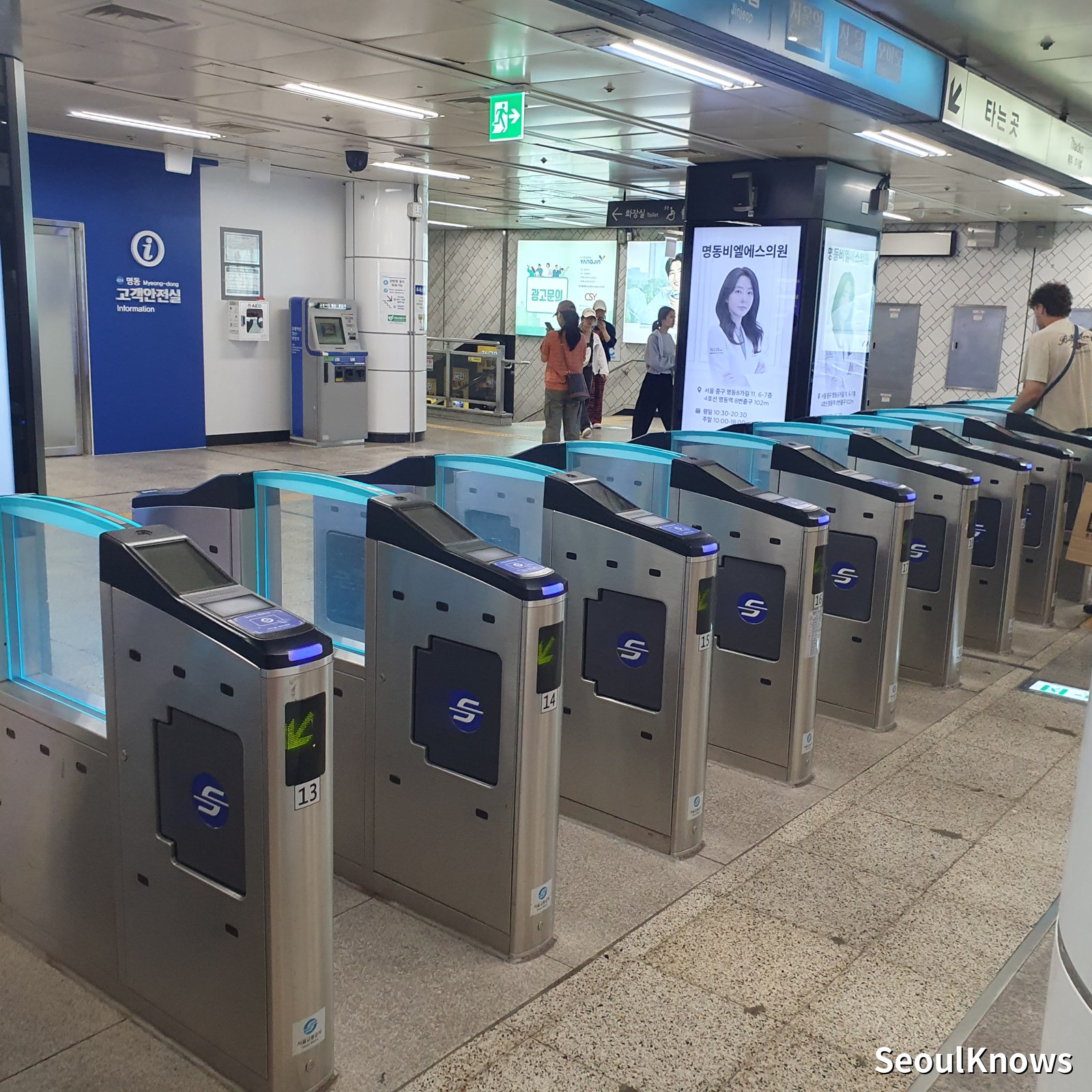
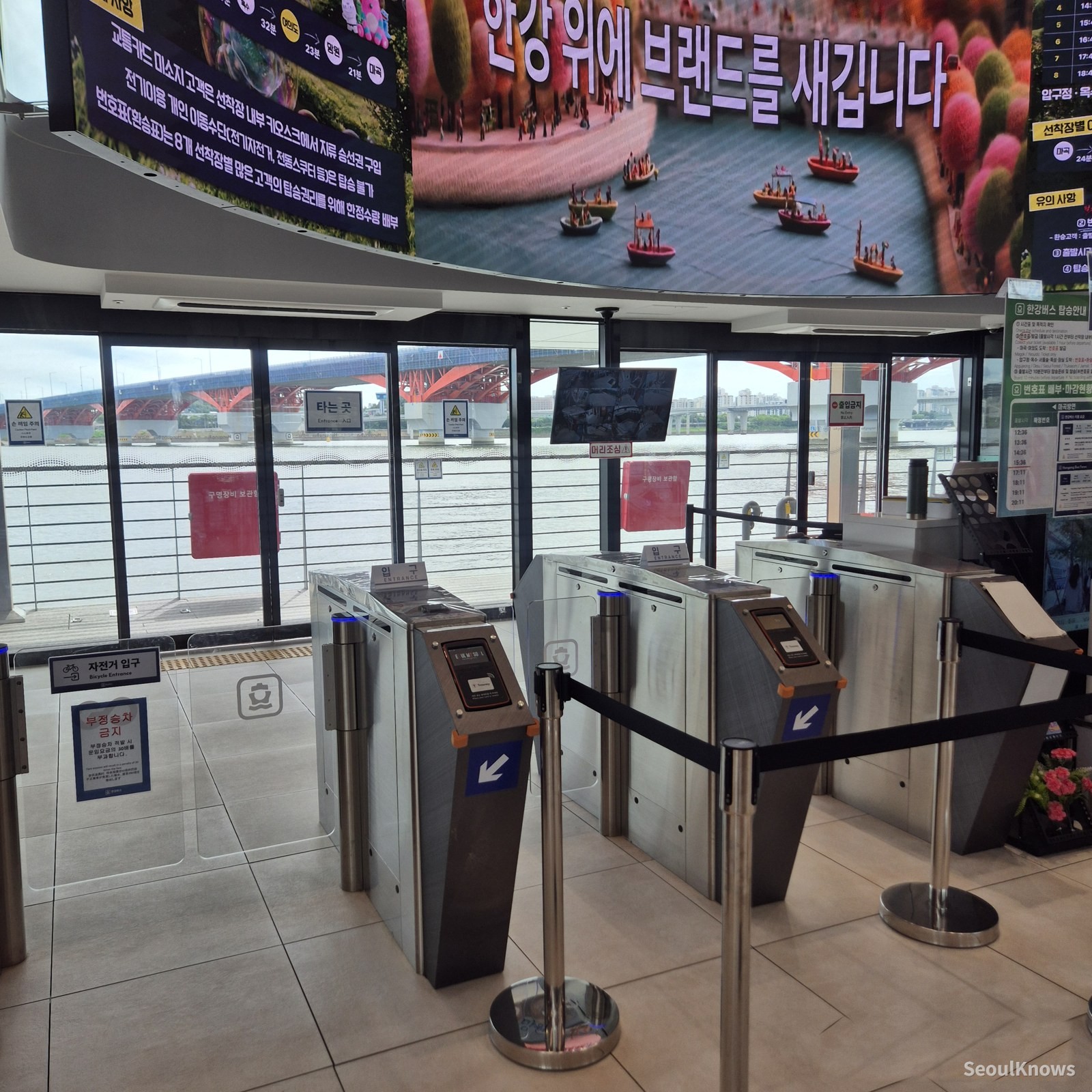
- How to ride the Seoul subway
A step-by-step guide to the cleanest, cheapest way around the city. - Hangang Bus guide
Seoul’s river ferry: fares, routes and tips. - Hangang Bus vs Han River Cruise
Which one to take, from someone who rode both.
Honest Seoul tips, once a week. Get the newsletter →
4. What to see first

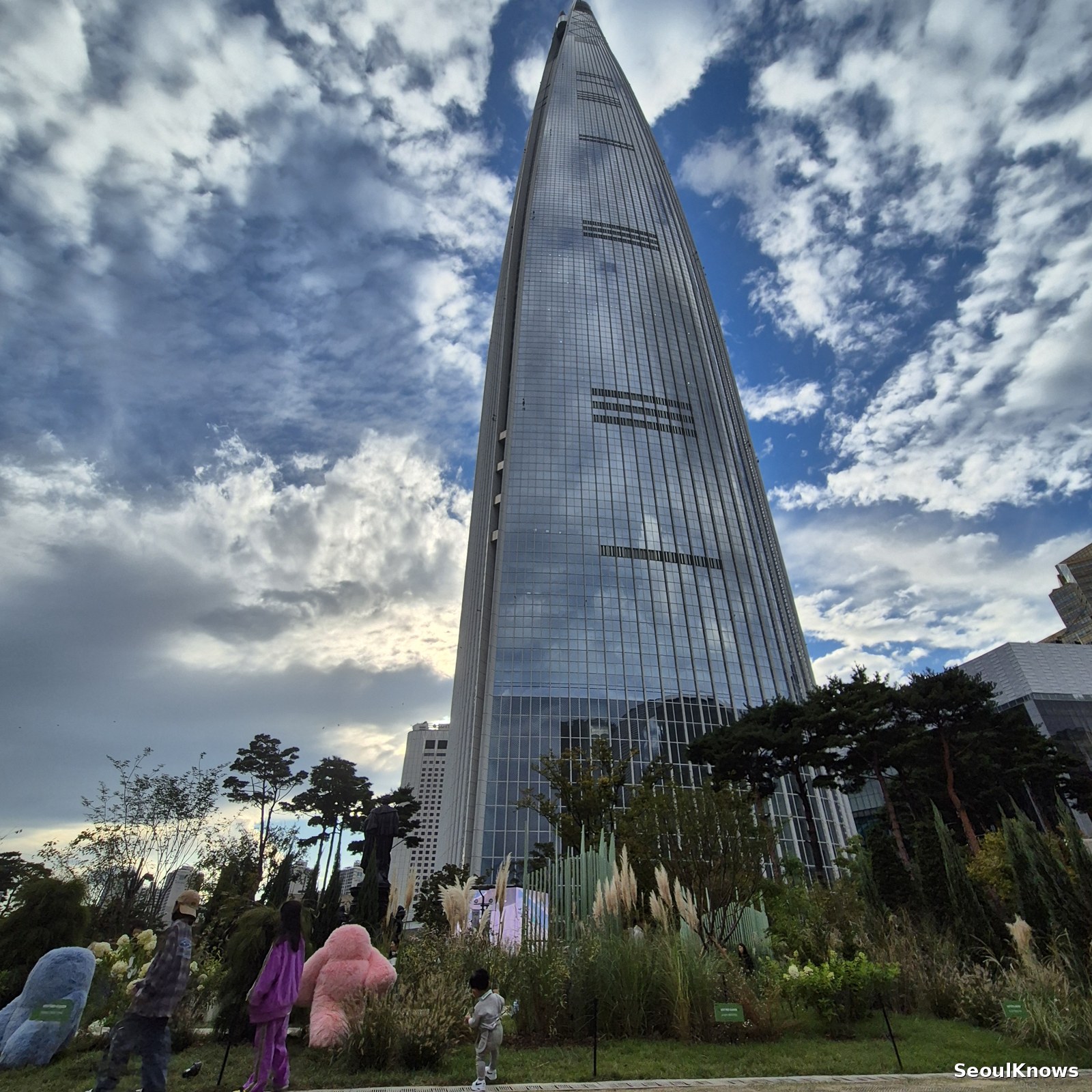
- National Museum of Korea
Free, enormous and the best introduction to Korean history. See the Room of Quiet Contemplation first. - Myeongdong shopping guide
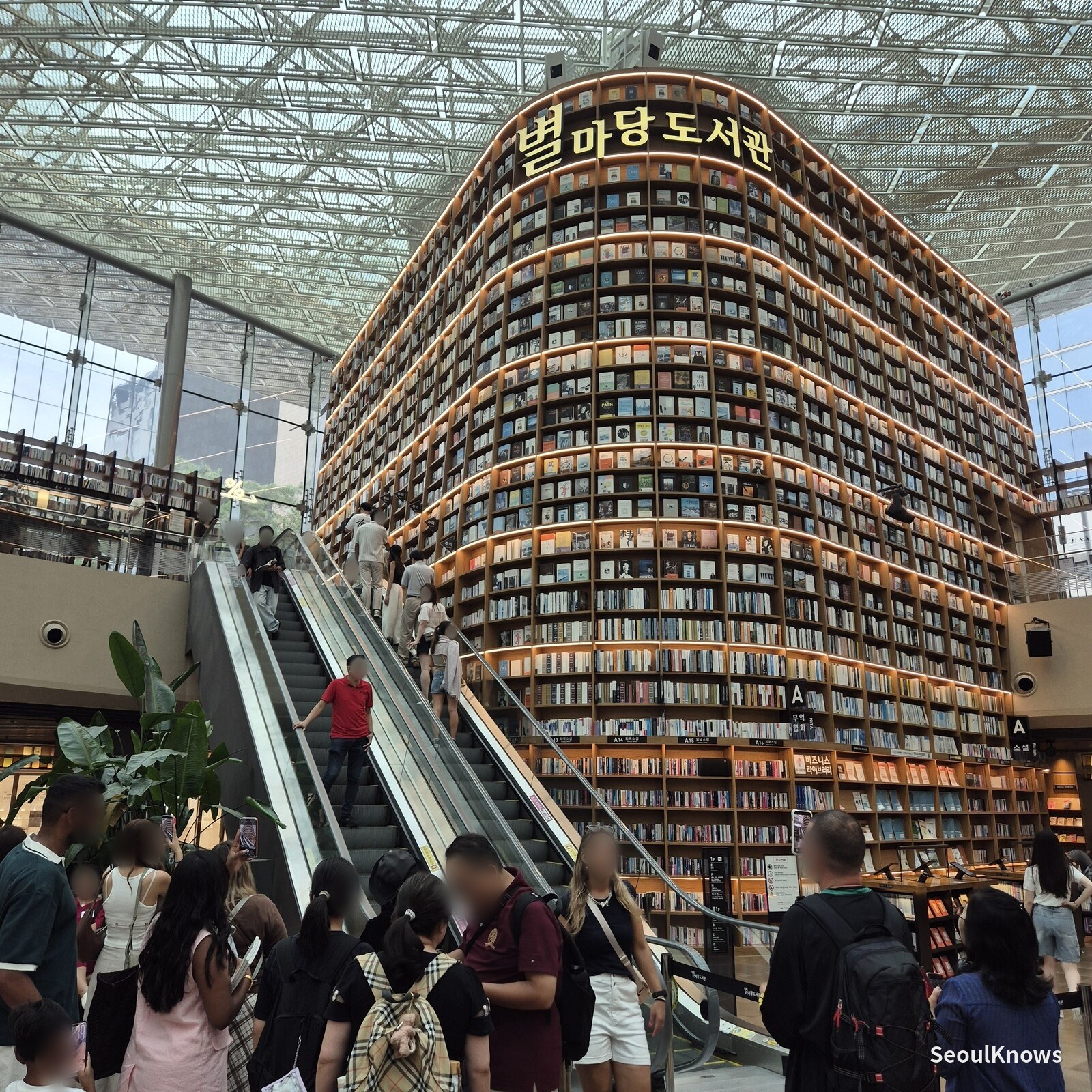
The big, fun stores worth walking into. - Starfield Library, COEX
Free entry and the famous bookshelf photo spot. - Seoul Sky, Lotte World Tower
Tickets and the best time to go up. - Seoul City Hall’s free observation decks
Deoksugung Palace from above, for free. - Deoksugung Palace
The small palace across from City Hall: open until 21:00, 1,000 won, with a stone Western-style palace inside and rank stones in front of the throne hall. - Yongridan-gil, Yongsan
A walk down one of Seoul’s best food streets. - Apgujeong Rodeo and Dosan Park
Brand buildings, cafes and a quiet park in Gangnam. - The Hyundai Seoul
Floor guide, parking and what is worth your time. - Jamsil at night
Seokchon Lake and the Bangi-dong food alley after dark. - Han River cruise from Jamsil
The Moonlight Music Cruise: fares and what to expect. - Gyeonghuigung Palace
The free palace with no crowds. Ten minutes from Gwanghwamun, and on a weekday you may get a courtyard to yourself. - Jeongdong-gil stone wall road
The twenty-minute walk beside the Deoksugung wall. The prettiest stretch in central Seoul in autumn. - Ikseon-dong
Alleys of 1920s hanok turned into cafes and small restaurants. An hour on foot, best in late afternoon. - Seongsu
Converted factories, flagship stores and coffee. Half a day, and the most current-feeling neighbourhood in the city. - Haus Nowhere Seoul
Gentle Monster’s Seongsu building. Free to walk through, and the most photographed interior in Seoul right now.
5. Eating and drinking
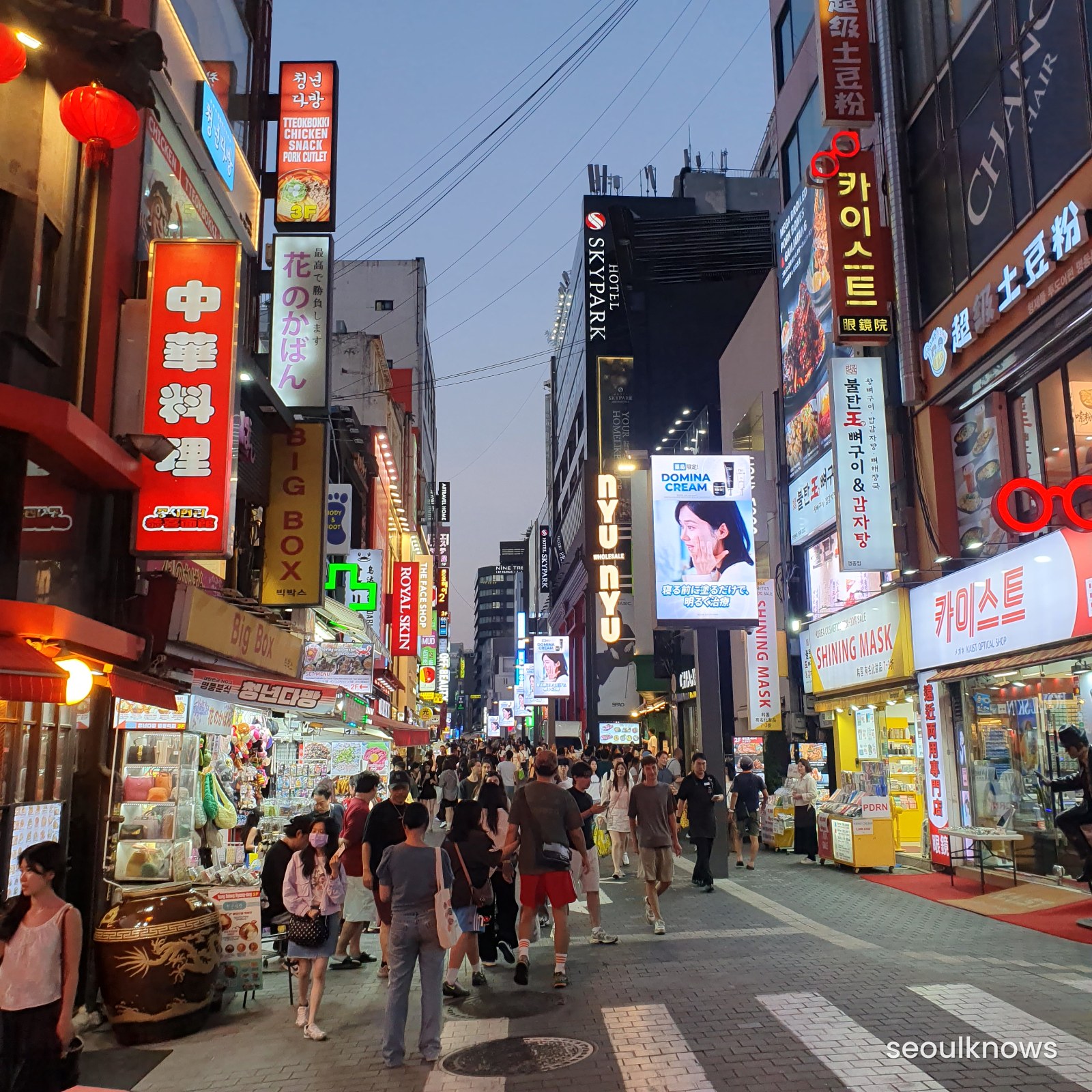

- Myeongdong street food
What to eat, real prices and tips. - How to eat Korean BBQ
Ordering, grilling and the etiquette at the table. - What is the Blue Ribbon Survey?
Korea’s restaurant guide, and how to use those stickers. - Samgyetang
Korea’s ginseng chicken soup, and why Koreans eat it on the hottest days. - Noryangjin Fish Market
How to buy seafood at Seoul’s best known fish market.
6. Korean customs worth knowing
None of this is a test you can fail, but a few habits will save you a second of hesitation. Take your shoes off whenever you step up onto a raised floor: guesthouses, traditional restaurants, some cafes. Use two hands when you give or receive something from someone older, especially a drink or a card. Do not tip. There is no tipping culture here and staff will sometimes follow you out to return the money. Age comes up early in conversation because the grammar changes with it, so being asked how old you are is curiosity, not rudeness. On the subway, the seats at both ends of every carriage are for elderly, pregnant and disabled passengers, and they stay empty even when the train is full. And street bins are rare: you will end up carrying a coffee cup until you find a convenience store.
- Jjimjilbang, the Korean spa
From getting undressed to sleeping there overnight. - How a Korean drinking street works
Rounds, noraebang and what happens at the end of the night.
7. Where to stay
Pick the neighborhood before you pick the hotel. Myeongdong is the default for a first visit: central, walkable, every line within reach, and noisy at night. Hongdae is younger and cheaper, and the right answer if you plan to be out late. Gangnam is business-shaped, quieter after dark and well connected to both airports. Jamsil suits families, with the mall, the tower and the lake in one place. Yeouido is the river option, calm and green but a little removed from the sightseeing. If it is your first time and you have three days, stay north of the river.

We are still adding Seoul hotel reviews. These are the ones we have stayed at so far:
- Conrad Seoul, Yeouido
Han River views and the Pulse8 pool. - Hotel Naru Seoul M Gallery
A Han River pool hotel. - Paraspara Seoul (now ANTO)
A five-star forest resort inside the city.
A simple 3-day first visit
This is the route we actually used when our nephews came over, trimmed down to the parts that worked. Each day stays in one part of the city, so you are not crossing Seoul twice before lunch.
Before you lock the dates: Gyeongbokgung is closed on Tuesdays and the city tour bus is closed on Mondays. So do not start this itinerary on a Tuesday (day 1 loses the palace) or on a Sunday (day 2 lands on the bus’s closed day).
Day 1: old Seoul, on foot. Start at Gyeongbokgung in the morning. Adult entry is 3,000 won and it is free if you are wearing hanbok, which is why half the courtyard is in costume: the rental shops are right outside the gate. The changing of the guard runs at 10:00 and 14:00 at Gwanghwamun and you can watch it without a ticket. Walk out the east side into Insadong for the paper, tea and ceramic shops, then keep going east to Gwangjang Market for lunch. This is the one that matters: a covered market where you sit on a plastic stool between the stalls and eat bindaetteok, mayak gimbap and raw beef with the people who work nearby. Point at what the next table is having. Afterwards double back one stop to Ikseon-dong, a block of 1920s hanok alleys now full of cafes and small restaurants, which is the easy version of a hanok village because nobody lives there any more. Finish the evening in Myeongdong for shopping and street food. If anyone still has legs, DDP is two stops east on Line 4 and it is a night building: the curved shell and the plaza are lit, and the Dongdaemun malls around it stay open very late.
If you are travelling with a small child, the same building has a large indoor kids cafe on its fourth floor, and it is the easiest one in Seoul for a short-stay visitor to actually get into. It closes at 18:30 and all day Monday, so it is a daytime stop rather than an evening one.
Day 2: the shape of the city, then the new part. Take the double-decker city tour bus in the morning. Two companies run it, Seoul City Tour Bus and Tiger Bus, and both start from the Gwanghwamun ticket booths: first bus 09:20, every 25 minutes, about 90 minutes for a full loop without getting off, adult from 27,000 won for a day pass. It is hop-on hop-off, and each company has its own stop in front of the DDP, so if you are staying in Dongdaemun you can board there instead of going to Gwanghwamun first. It is touristy and that is exactly the point: in an hour and a half you get the layout of Seoul without a map, and you can note the stops you want to come back to. The last departure is 16:50, so this is a morning job. In the afternoon go to Seongsu, the old factory district east of the river that is now where the cafes and flagship stores go. It shows you what the city is like now rather than what it used to be. Then walk into Seoul Forest next door and catch the Hangang Bus from the pier that opened there in 2026. It is 3,000 won on the same transit card and it is the cheapest sunset in the city. Dinner afterwards: Korean BBQ.
Day 3: east along Line 2. Start at Starfield Library at COEX in Samseong, then ride two stops to Jamsil for Lotte World Mall, which is a whole day on its own if the weather turns. Seoul Sky is in the tower directly above the mall, so you can do the view without moving: book the sunset slot in advance, it is the first one to sell out. Eat around Bangi-dong in the evening, and if everyone still has energy, end at a jjimjilbang.
Flying out of Incheon on day 4 means leaving central Seoul about three hours before your flight. The airport transport guide has the timings.
Frequently asked questions
Is Seoul easy for first-time visitors?
Yes. Signs and subway announcements are in English, public transport is cheap and reliable, and the city is very safe at night.
How many days do I need in Seoul?
Three days covers the highlights in our plan above. Five or more lets you add day trips and slower neighborhood walks.
How do I get from Incheon Airport to Seoul?
Most people should take the AREX train. Our airport guide explains when a bus or taxi makes more sense.
Do I need a Korean SIM card?
Not necessarily. An eSIM gives you data, which covers maps and messaging. Our eSIM guide explains when a Korean number matters.
What should I eat first in Seoul?
Korean BBQ, street food in Myeongdong and a bowl of samgyetang are all good first meals. Look for the Blue Ribbon sticker if you want a trusted pick.
The bottom line
Seoul is one of the easiest big cities in Asia for a first visit. Sort out the airport train and your data before you land, learn the subway on day one, and spend the rest of your time eating and walking. Bookmark this page: we add new guides here as we publish them.
Written by WY, a Seoul-based local sharing honest, first-hand guides to Korea. Every guide here is a place I’ve actually been to, written from my own visit, my own photos. More about me →