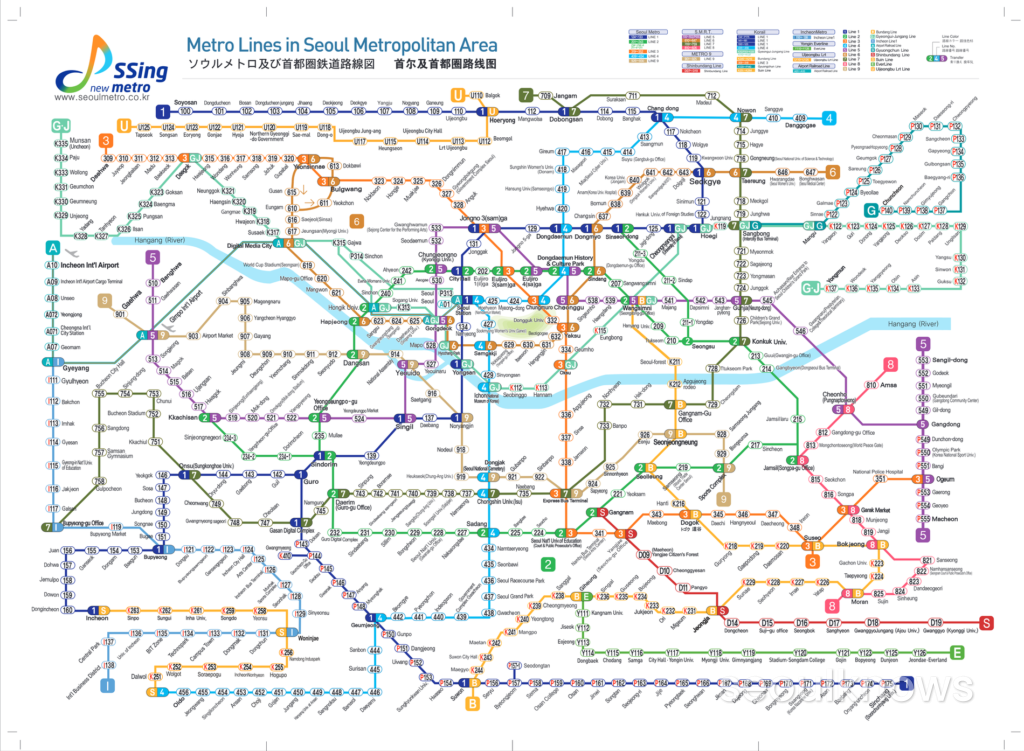
One card. That’s really all this guide needs to say. A single transit card, loaded with ₩10,000, covers the subway, every bus, most taxis, and the public bike share across Seoul and Gyeonggi. Everything else in this guide is just detail.
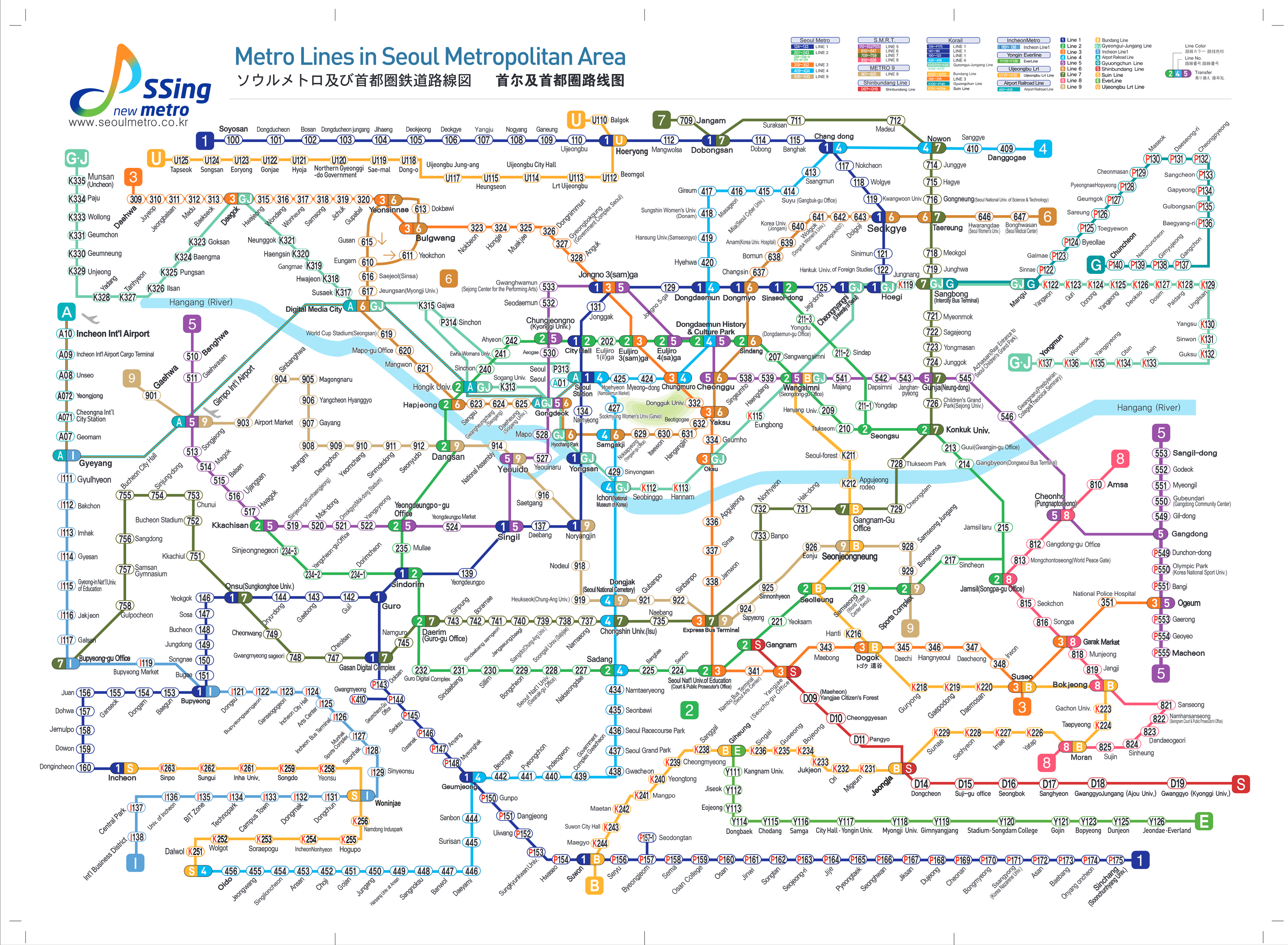
1. Get a Transit Card First, T-money vs WOWPASS
🟦 T-money
Buy it at any convenience store (GS25, CU, 7-Eleven) or subway station. The card costs ₩2,500-4,000, and you top it up separately (minimum ₩1,000). It works on the subway, buses, some taxis, and at many shops.
🟨 WOWPASS, Best for Foreigners
A foreigner-focused card that combines currency exchange and a transit card in one. At WOWPASS kiosks (airports, major stations, hotels) you load Korean won using a foreign card or foreign cash, then tap it like a T-money card. No need to hunt for an exchange booth, ideal if you arrive without cash.
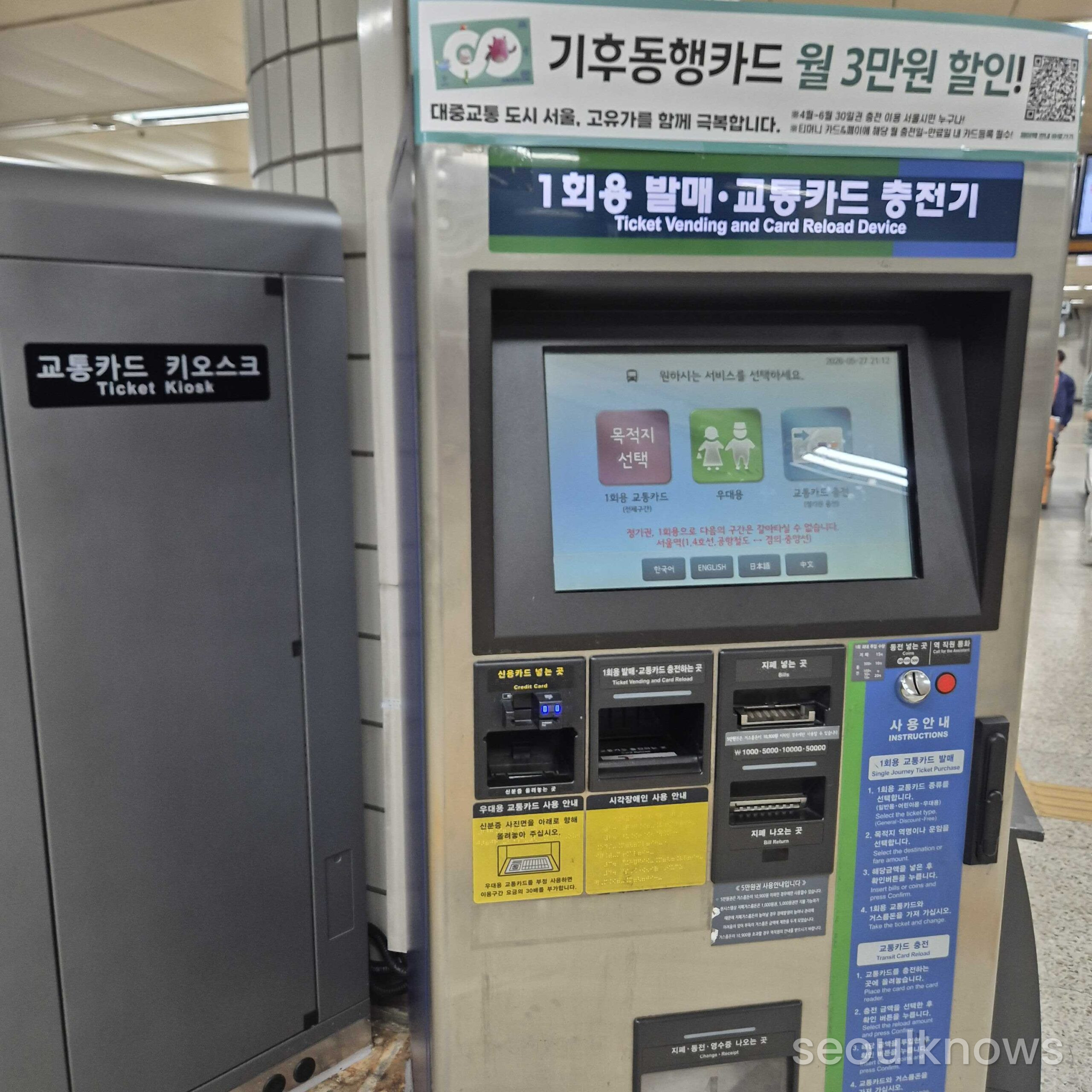
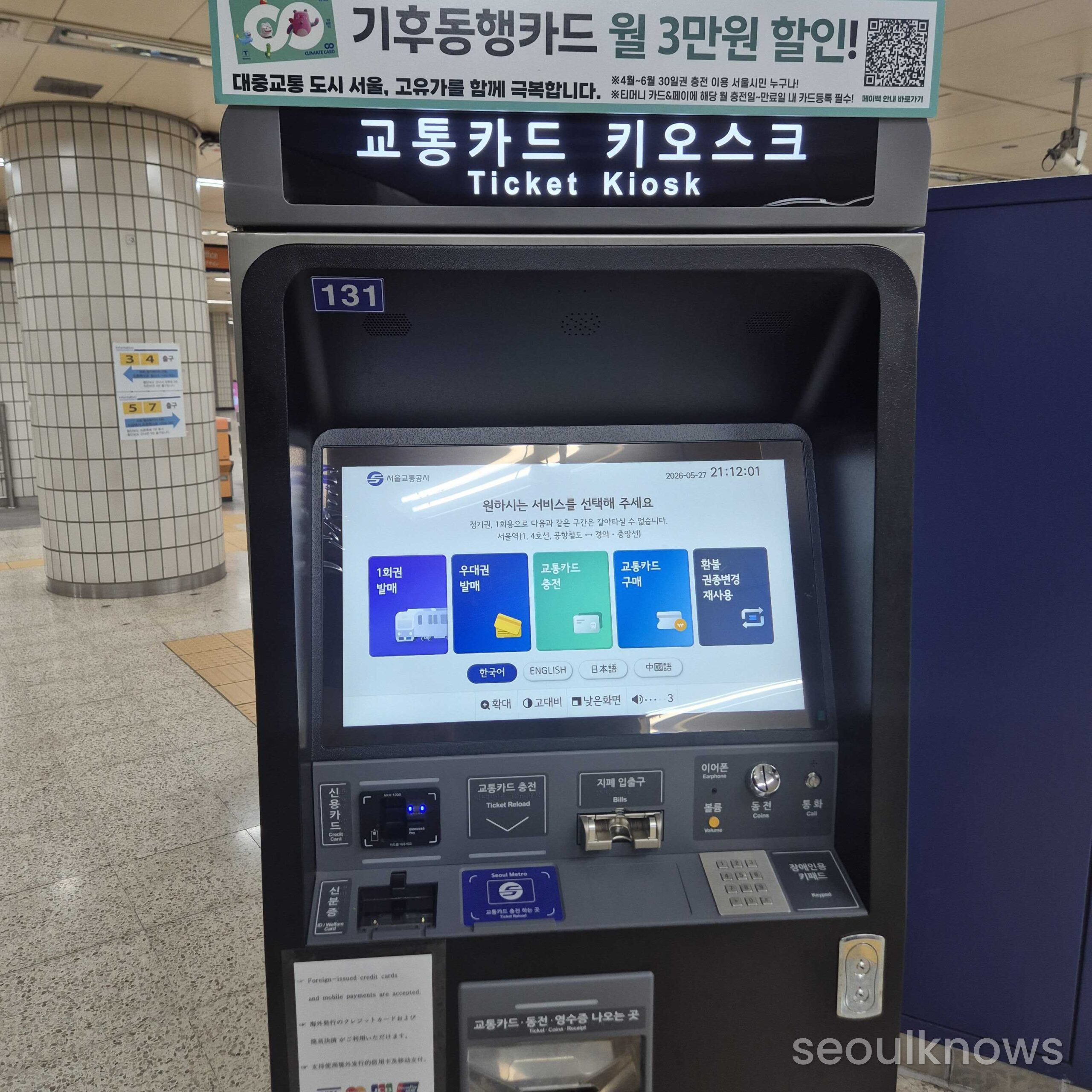
💡 New in 2026: 440 ticket machines across 273 stations on Seoul Subway Lines 1-8 now accept overseas-issued credit/debit cards (≈3.7% service fee). You can buy single-journey tickets and Climate Card short-term passes directly with a foreign card.
2. 2026 Fares at a Glance
| Mode | Base Fare | Notes |
|---|---|---|
| Subway | ₩1,550 (T-money) / ₩1,650 (single ticket) | +₩100 per 5 km beyond 10 km · early-bird ₩1,240 before 06:30 on weekdays |
| Bus | ₩1,500 (Blue / Green) | Village ₩1,200 · Yellow ₩1,400 · Red express ₩3,000 · Night N-Bus ₩2,500 |
| Taxi (standard) | ₩4,800 (first 1.6 km) | ₩100 per 131 m · late-night and out-of-city surcharges each add 20–40% |
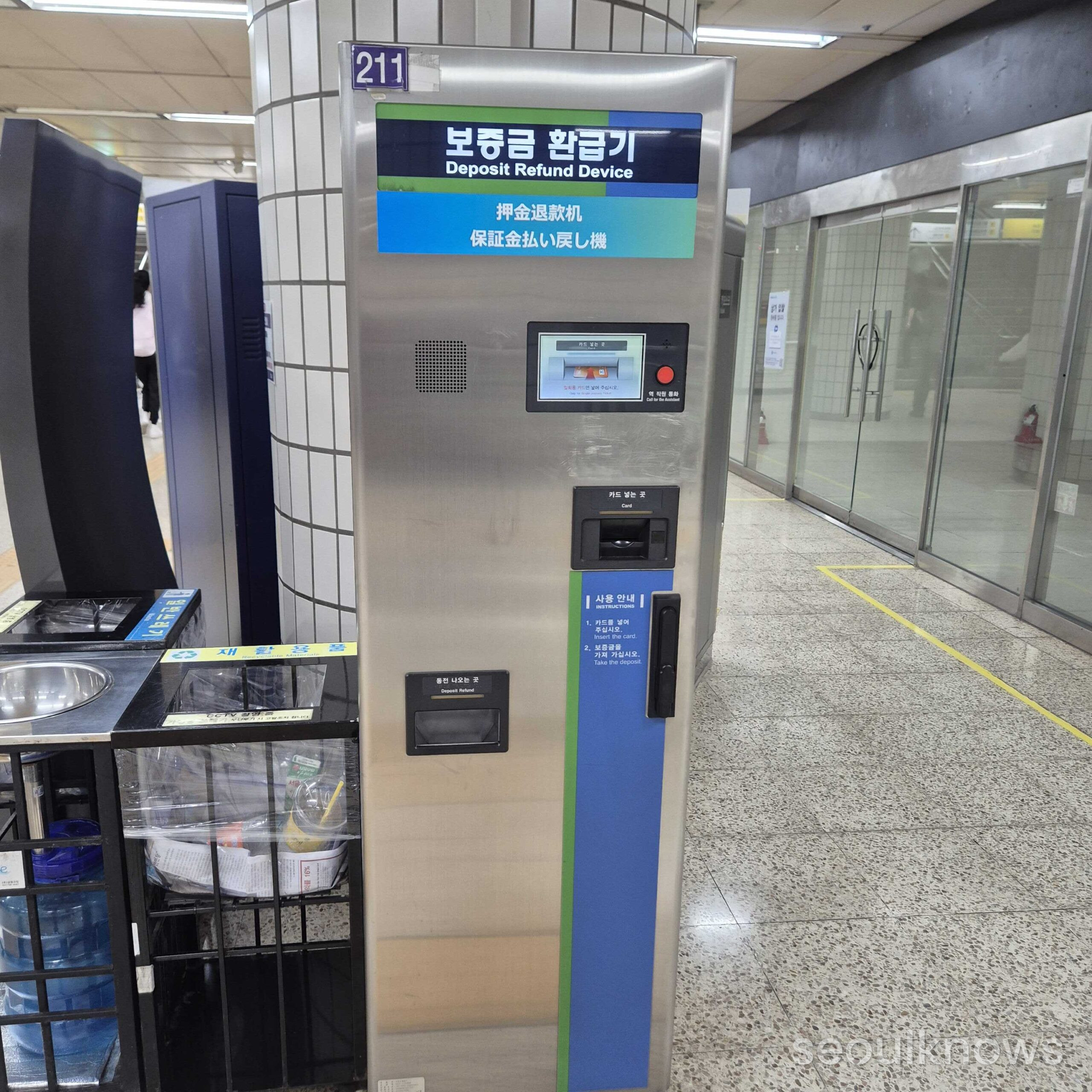
Single-journey tickets include a ₩500 deposit, refunded instantly at the Deposit Refund Device in your arrival station.
3. Free Transfers, The Best Feature of Seoul Transit
Tap your card correctly and the subway ↔ bus ↔ Gyeonggi express bus all count as one journey, so you don’t pay the base fare twice.
- Transfers allowed: up to 4
- Transfer window: 30 minutes (60 minutes at night, 21:00-07:00)
- Must do: Tap your card when getting off the bus, or the transfer won’t register
- Cash riders get limited benefits; some private/light-rail lines add a surcharge
4. Read the Bus Colors
- 🔵 Blue, main trunk routes across Seoul — ₩1,500
- 🟢 Green, local/neighborhood routes — ₩1,500 (village buses ₩1,200)
- 🔴 Red, Gyeonggi ↔ Seoul wide-area express — ₩3,000
- 🟡 Yellow, downtown circular routes — ₩1,400
- ⚫ N-Bus (night bus), runs midnight-dawn when the subway is closed
⚠️ The same route number can have a different color and destination, so check number + color + final stop. Korean buses have no automatic stop bell, press the button yourself to get off.
5. Heading into Gyeonggi Province
Seoul and Gyeonggi share one integrated fare zone, so the same card works seamlessly across the border.
- Express buses (red / M-Bus), direct routes between Gyeonggi cities and central Seoul; seated, higher distance-based fares.
- Wide-area rail, Sinbundang, Suin-Bundang, Gyeongui-Jungang, and Gyeongchun lines reach across Gyeonggi.
- GTX-A, high-speed metro express linking Unjeong and Dongtan to central Seoul; works with your transit card, distance-based fare.
6. Tourist Passes, Climate Card vs M-Pass
| Climate Card (기후동행카드) | Tmoney M-Pass | |
|---|---|---|
| Type | Unlimited within the period | Up to 20 rides/day |
| Price (ex.) | 1-day ₩5,000 / 2-day ₩8,000 / 3-day ₩10,000 / 5-day ₩15,000 / 7-day ₩20,000 | 1-day ₩15,000 / 2-day ₩23,000 / 3-day ₩30,500 / 5-day ₩47,500 / 7-day ₩64,500 |
| Deposit | Card sold separately | ₩5,000 (₩4,500 refunded on return) |
| Coverage | Seoul only, subway and bus (short-term passes do not include Ddareungi bikes) | Subway + select buses (wider area) |
| Discount | , | ₩3,000 off when bought after 5 PM |
⚠️ Important, the Climate Card works inside Seoul ONLY. It is not valid on red Gyeonggi express buses or trips that cross into Gyeonggi Province. If you tap in within Seoul and travel outside the Seoul zone, you’ll be charged a separate fare. For trips into Gyeonggi, use a regular T-money/WOWPASS card or the wider-coverage M-Pass instead.
Which one? Sticking to central Seoul → Climate Card (cheapest, unlimited). Traveling out to Gyeonggi → M-Pass or plain T-money. Four or fewer rides a day → regular T-money is most economical.
7. Taxis, Types & Fares
- 🚖 Standard, base ₩4,800; late-night surcharge (40% from 23:00-02:00; 20% from 22:00-23:00 & 02:00-04:00)
- ⬛ Deluxe / Jumbo, base ₩7,000 (first 3 km); 20% late-night surcharge 22:00–04:00 (₩8,400 base)
- 🌐 International Taxi, English-speaking drivers, bookable, flat-rate options
Hailing apps: Kakao T (most popular, English supported) and UT. App payment is safer than cash, less risk of overcharging or losing change.
8. Ddareungi, Seoul’s Public Bike Share
For the Han River, palaces, and backstreets, Ddareungi (Seoul public bikes) is unbeatable. Grab one at any unmanned dock and return it to any other dock.
- How: install the “Ddareungi / Seoul Bike” app → buy a day pass → unlock via QR
- Price: ~₩1,000 for a 1-day pass (per 1-hour ride; overage charged), cheap all day if you return and re-borrow in short hops
- Payment: foreign cards accepted in the app, though identity verification can be fiddly, register in advance
- Climate Card: only the 30-day tier bundled Ddareungi, and that tier ended in September 2026; the 1–7 day passes do not include bikes, so buy a bike pass in the app
⚠️ Ddareungi is Seoul-only; some Gyeonggi cities run their own bike systems, check locally.
9. Must-Have Apps, Google Maps Doesn’t Work in Korea
⚠️ The single most important tip: Google Maps gives poor transit directions in Korea. Use these instead:
- Naver Map / KakaoMap, most accurate, English UI, get-off alerts
- Kakao Metro / Seoul Subway, best for line and transfer planning
10. Mobile Payment & Data
- Samsung Pay (Android) supports mobile T-money
- iPhone/Apple Pay has limited transit-card support → iPhone users should carry a physical T-money or WOWPASS card
- Map and bike apps need data, so grab a SIM/eSIM or pocket Wi-Fi at the airport. Free Wi-Fi is also available on subways and buses.
11. Etiquette & Practical Tips
- Leave priority seats for elderly/pregnant riders; avoid phone calls and eating in the car
- Avoid rush hour (07:30-09:00 / 18:00-20:00)
- Check the last train, subways stop around midnight; after that use N-Buses or taxis
Frequently Asked Questions
Q1. Can foreigners buy subway tickets with a card?
Yes. Since 2026, ticket machines at 273 stations on Lines 1-8 accept overseas cards for single tickets and Climate Card short-term passes (≈3.7% fee).
Q2. Can I use one card from Seoul into Gyeonggi?
Yes, the metro area shares one fare zone, so T-money/WOWPASS works on express buses, wide-area rail, and GTX, with transfer discounts.
Q3. Does the Climate Card work in Gyeonggi?
No. The Climate Card is valid within Seoul only and not accepted on Gyeonggi-bound routes. Use T-money or M-Pass for those trips.
Q4. Can foreigners rent Ddareungi bikes?
Yes, buy a day pass in the app with a foreign card. Register early, as ID verification can take a few steps.
Q5. Can I just use Google Maps?
Its transit routing is unreliable in Korea. Use Naver Map or KakaoMap.
✅ Quick checklist: T-money or WOWPASS ✅ Naver Map / KakaoMap / Ddareungi apps ✅ SIM/eSIM ✅ 30-min transfer rule ✅ Tap off the bus. Load the card before you leave the airport. The rest figures itself out.
More Korea travel reads: Signiel Busan Premier Room Review · The Shilla Jeju · Seamarq Hotel Gangneung · Hotel Naru Seoul · About SeoulKnows
Official sources: T-money (official) · WOWPASS · Seoul Metro (SMRT) · Visit Seoul
Sources & last checked
Climate Card update re-checked on 3 September 2026 against Seoul City’s official discontinuation FAQ: the 30-day pass ends 29–30 Sep 2026 and is replaced by the nationwide Modu Card / 기후동행패스; short-term 1–7 day passes continue. Subway, bus and taxi fares, transfer rules and pass prices verified in August 2026 against the Seoul Metropolitan Government’s public transport fare guide and official taxi fare table (last revised April 2026), with M-Pass prices cross-checked against Visit Seoul. Seoul raised the subway base fare to ₩1,550 in June 2025. Fares and pass prices change with little notice, confirm before buying a multi-day pass.
On the Ground: Seoul Transit Snapshots
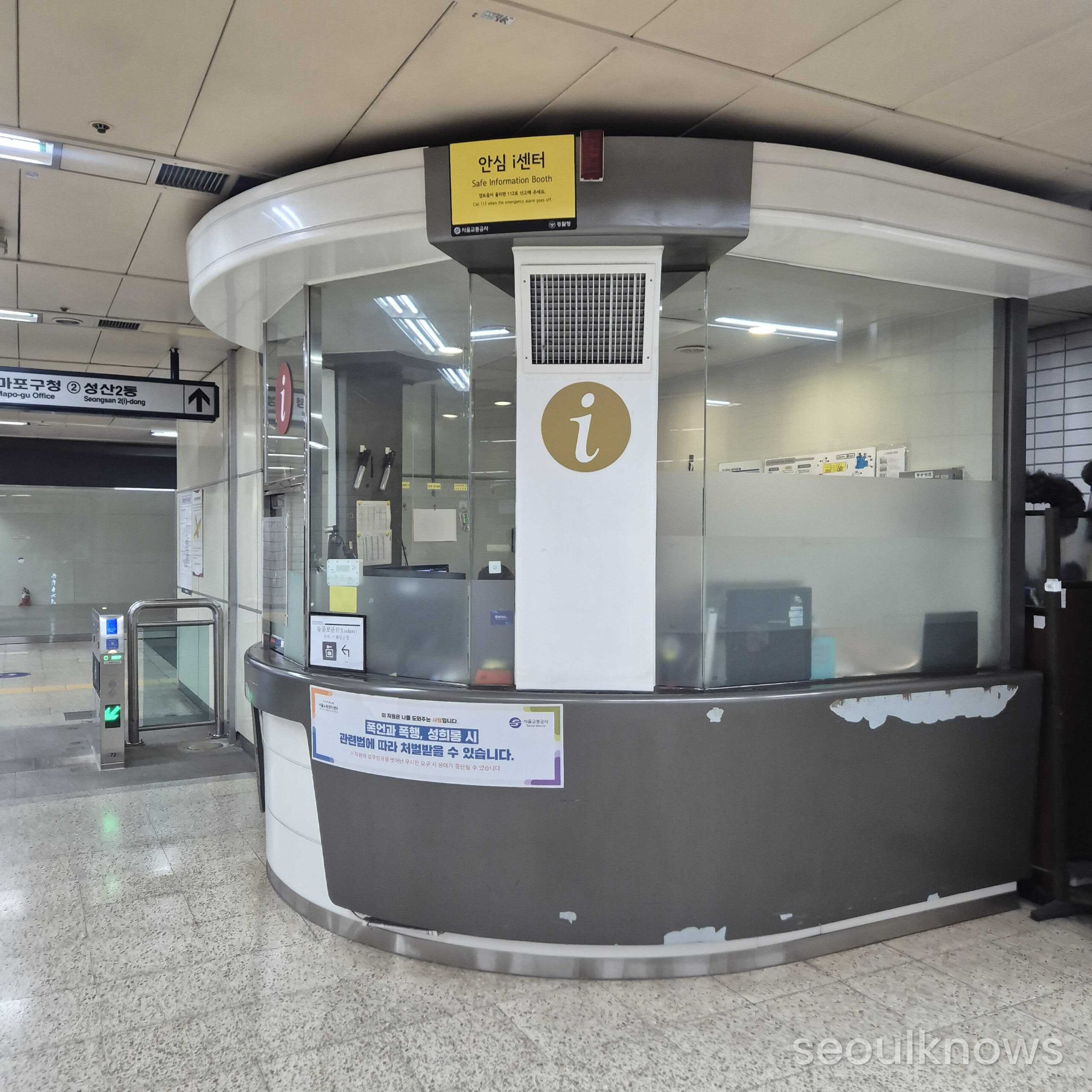
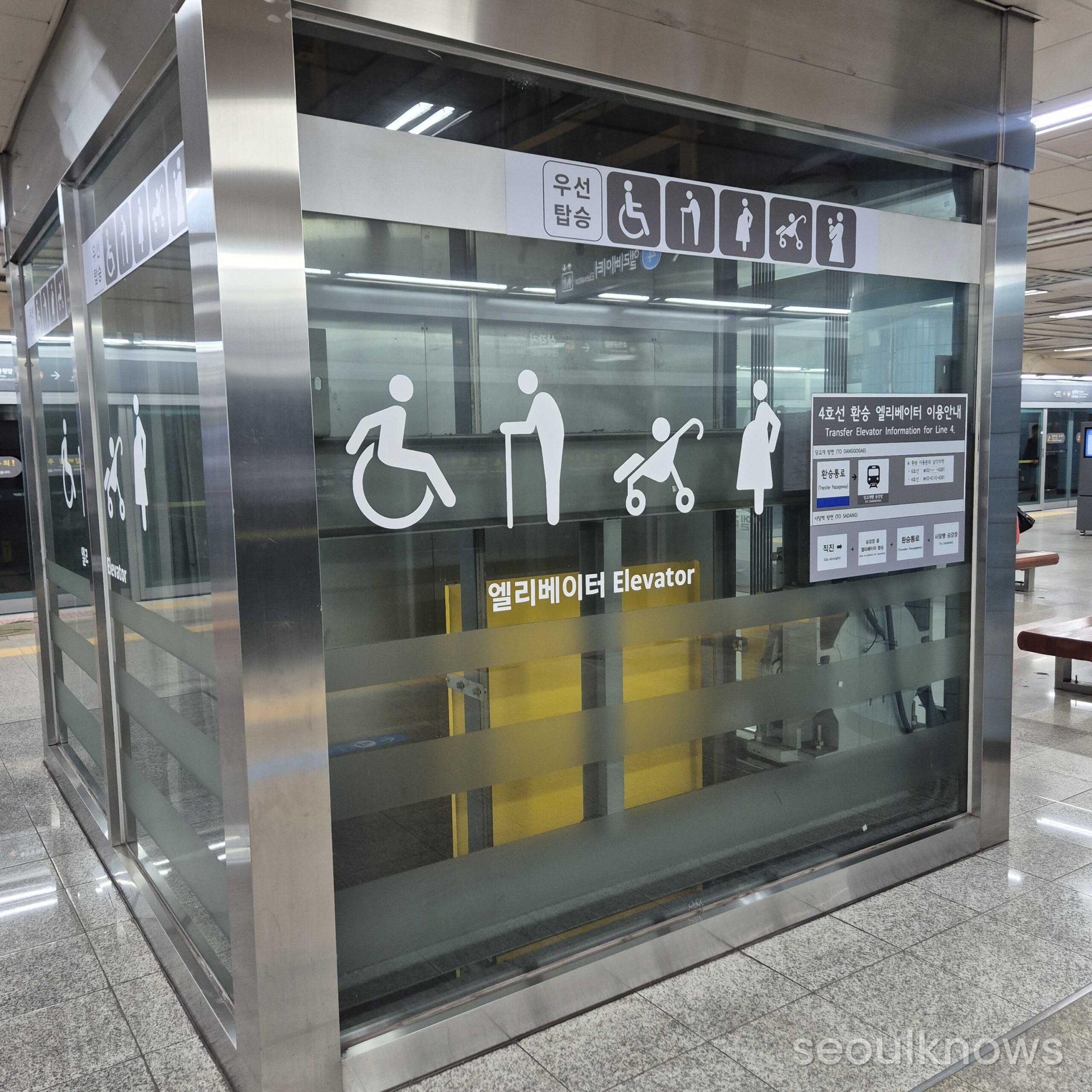
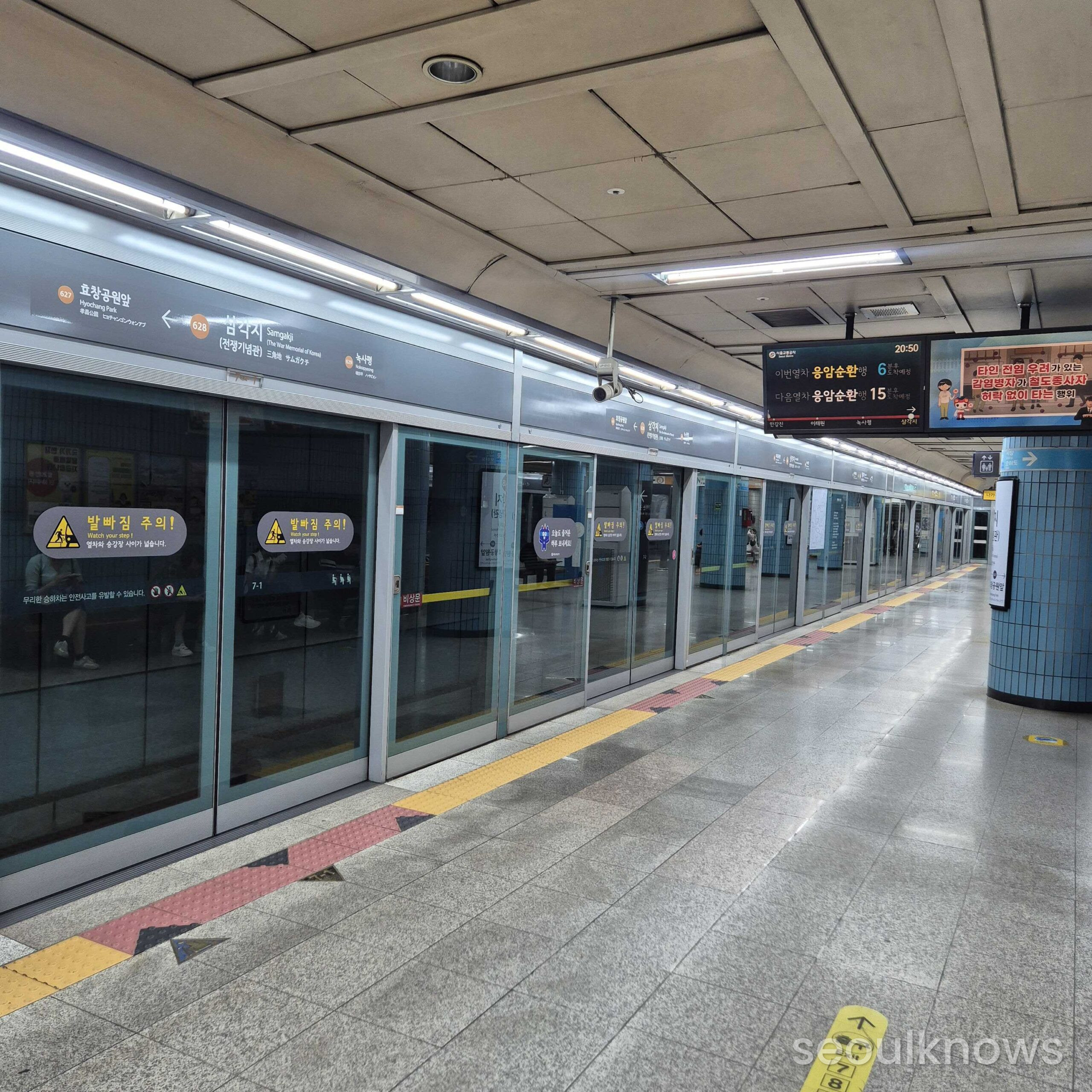
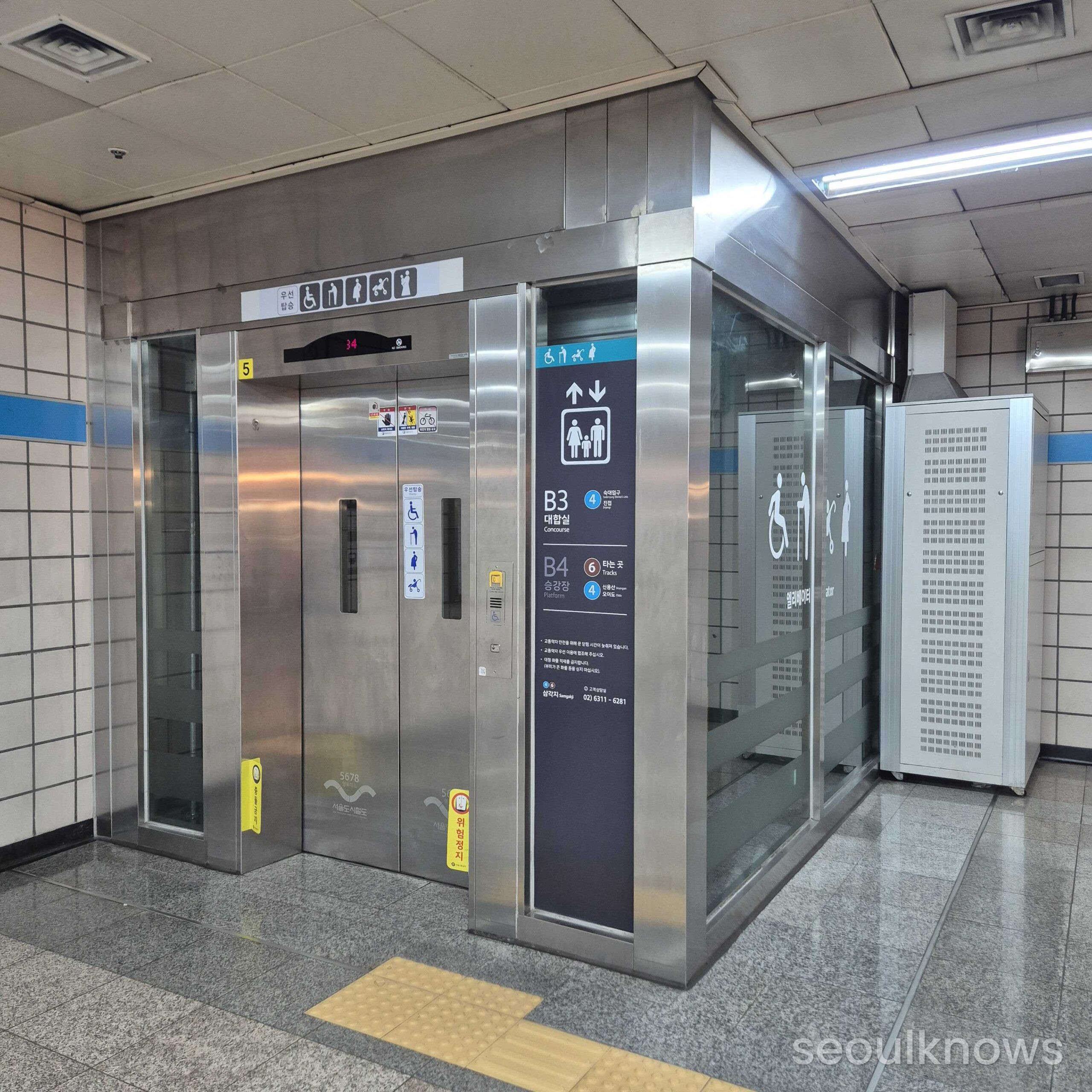
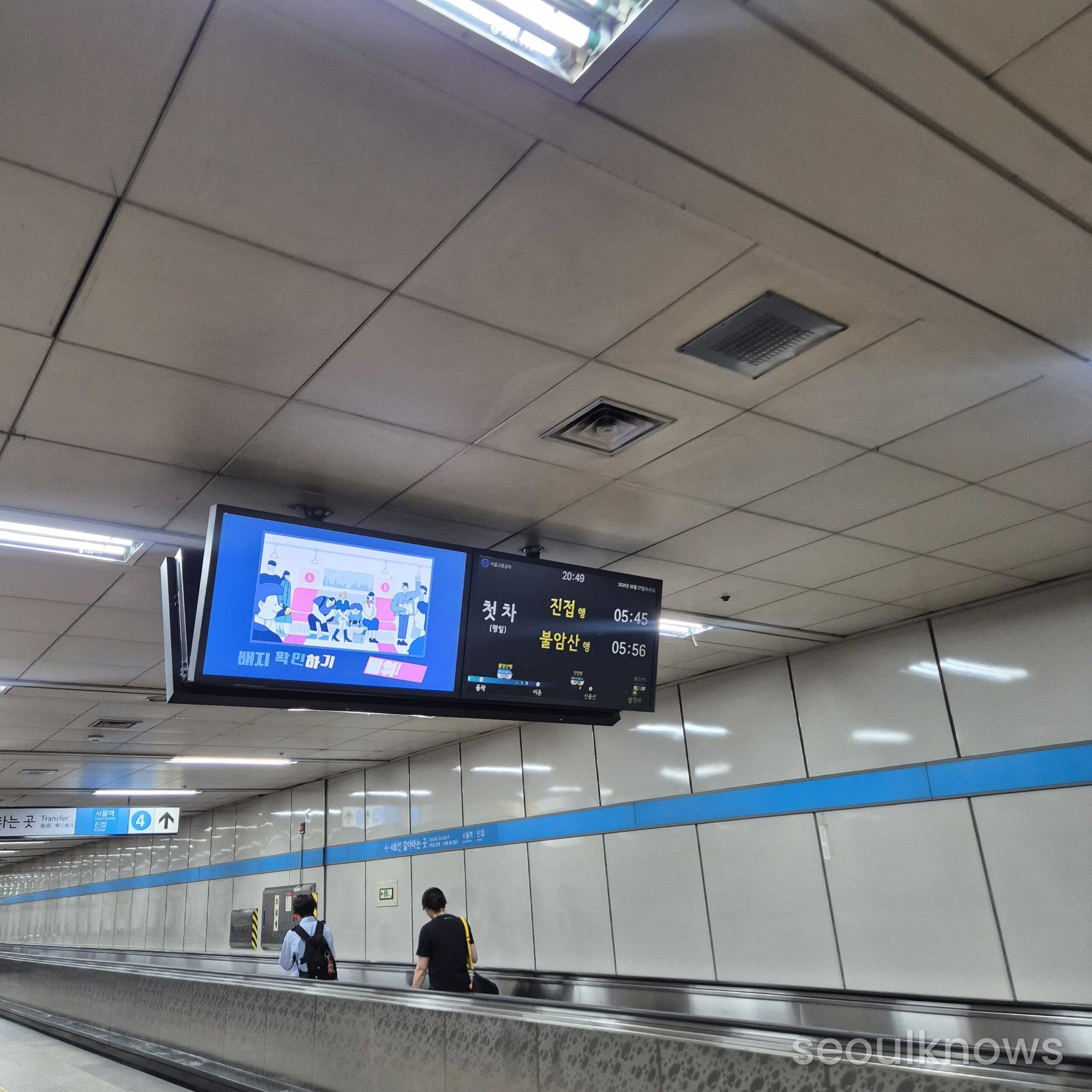
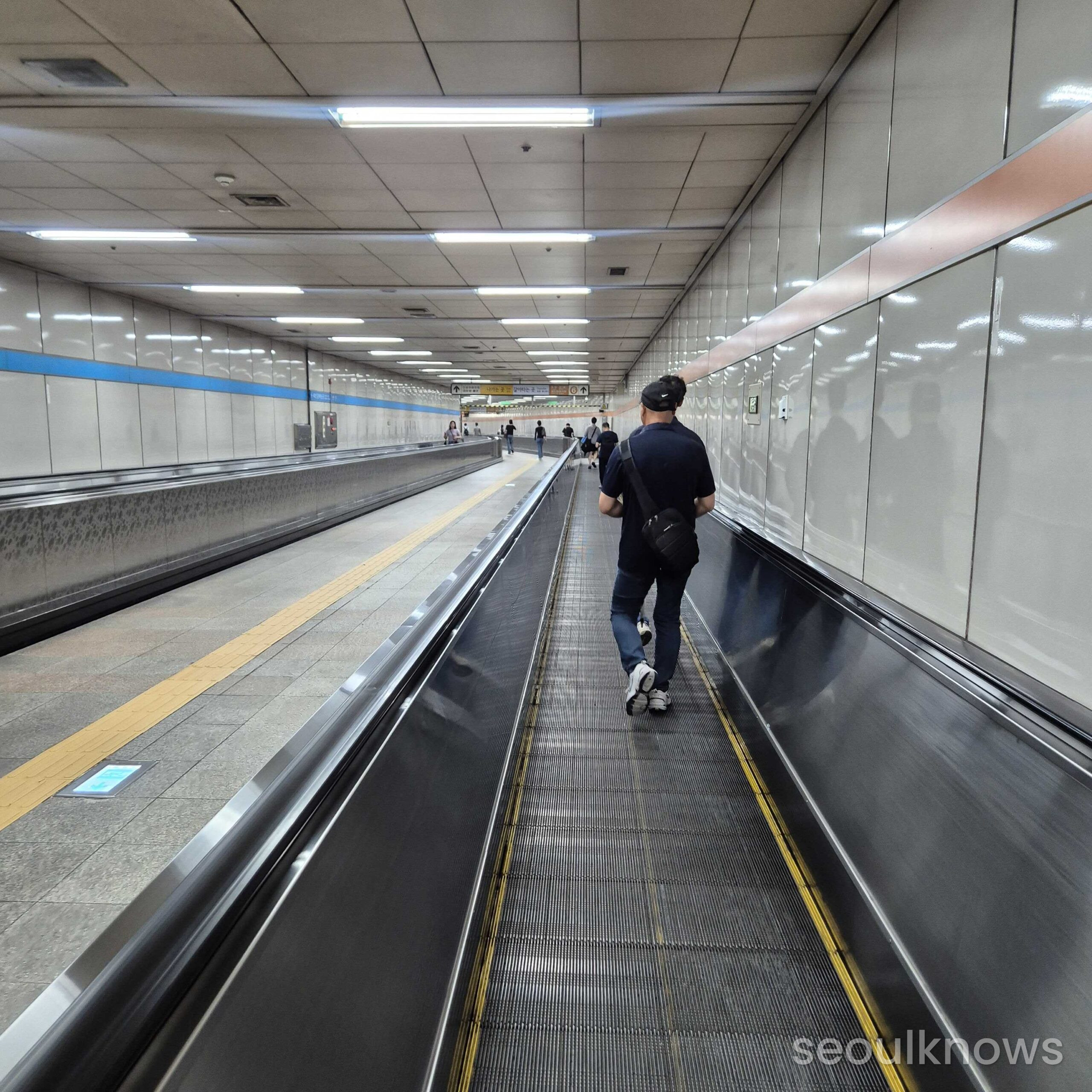
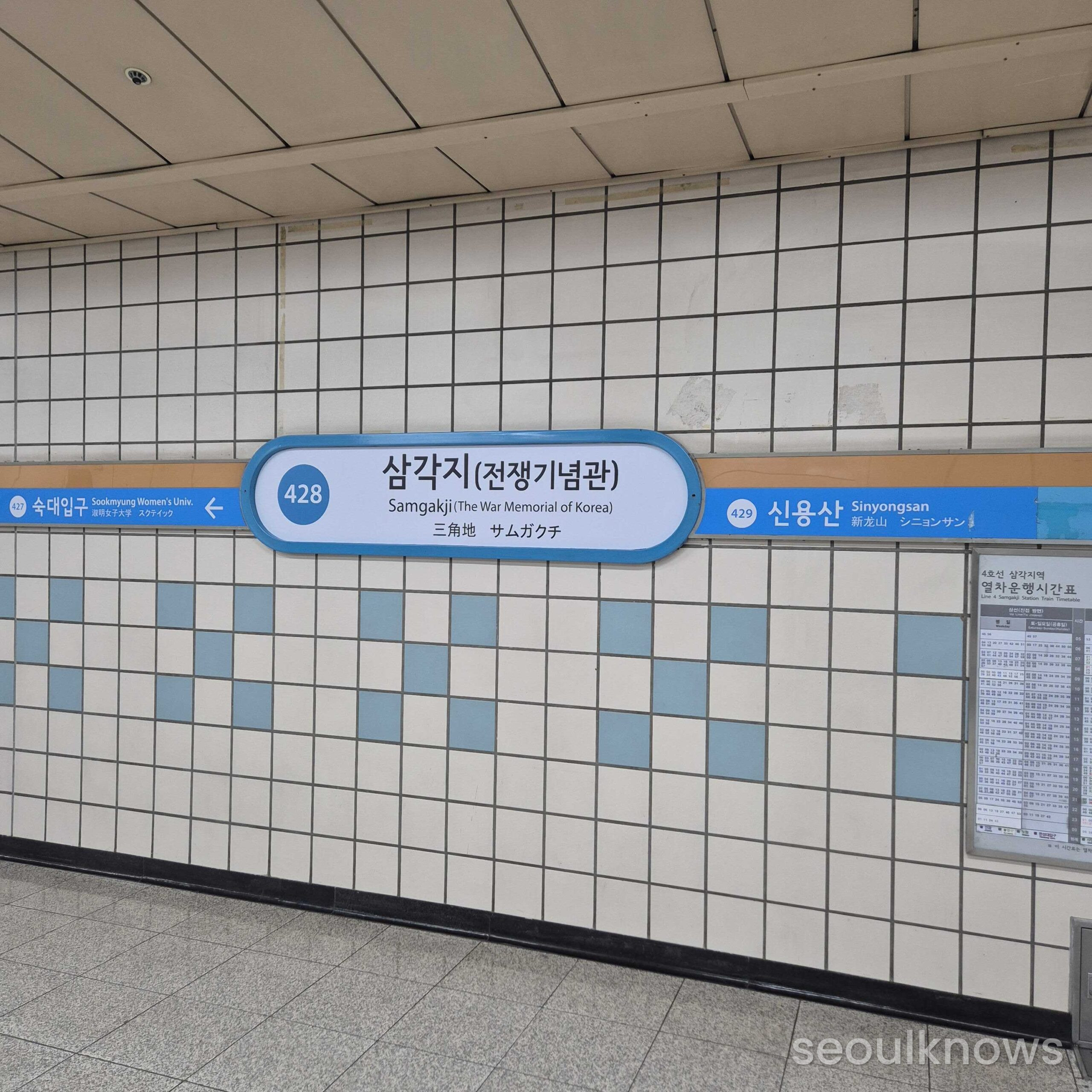
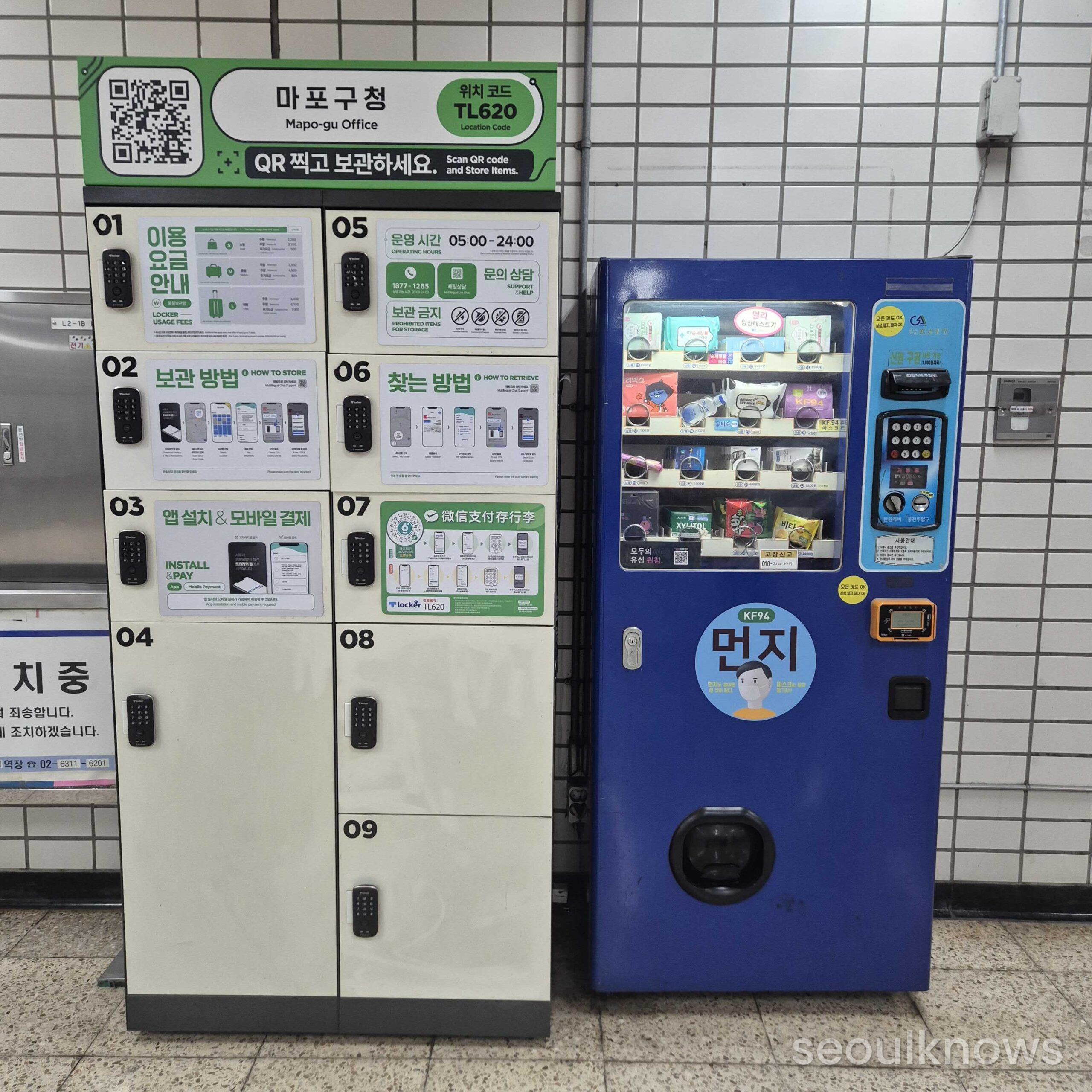
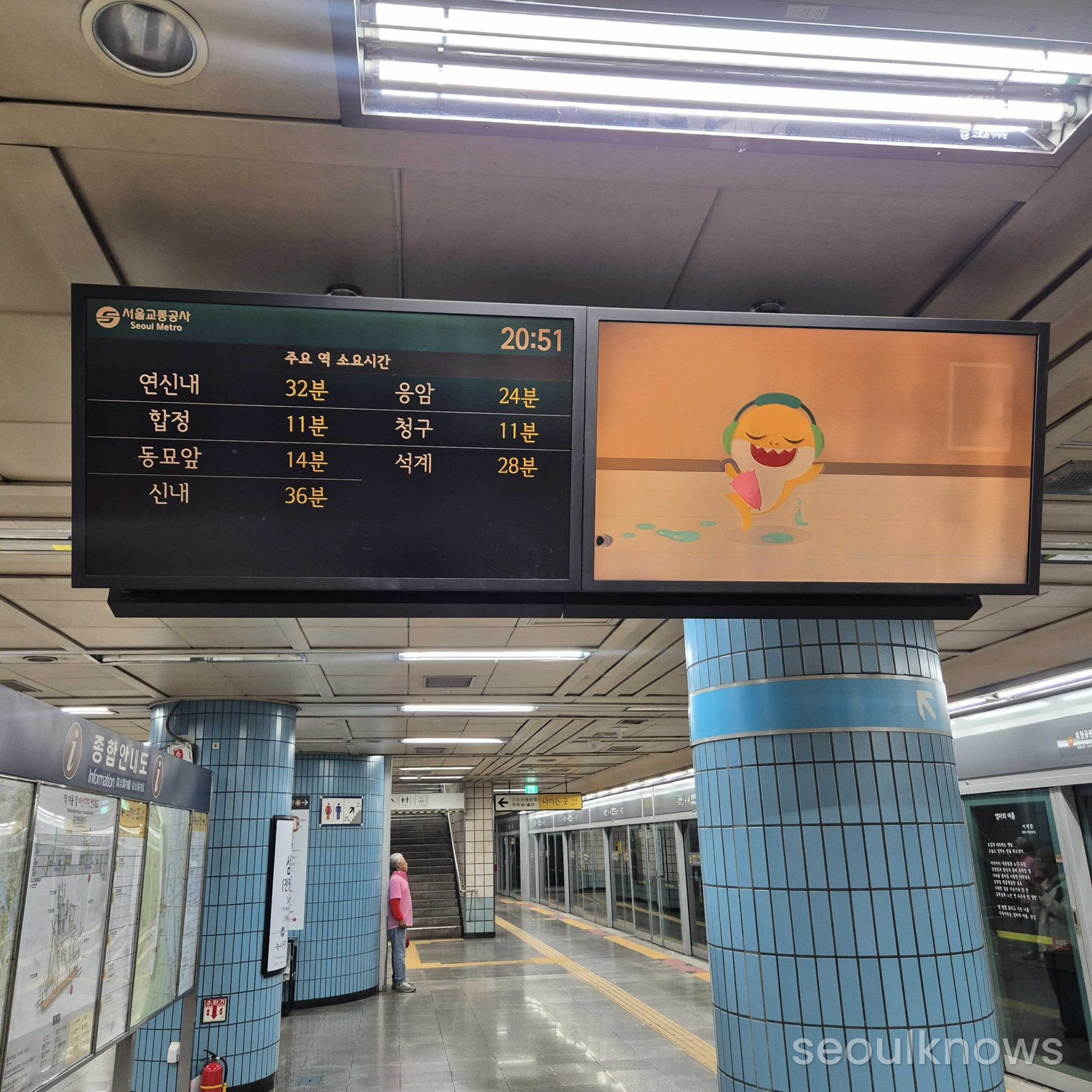
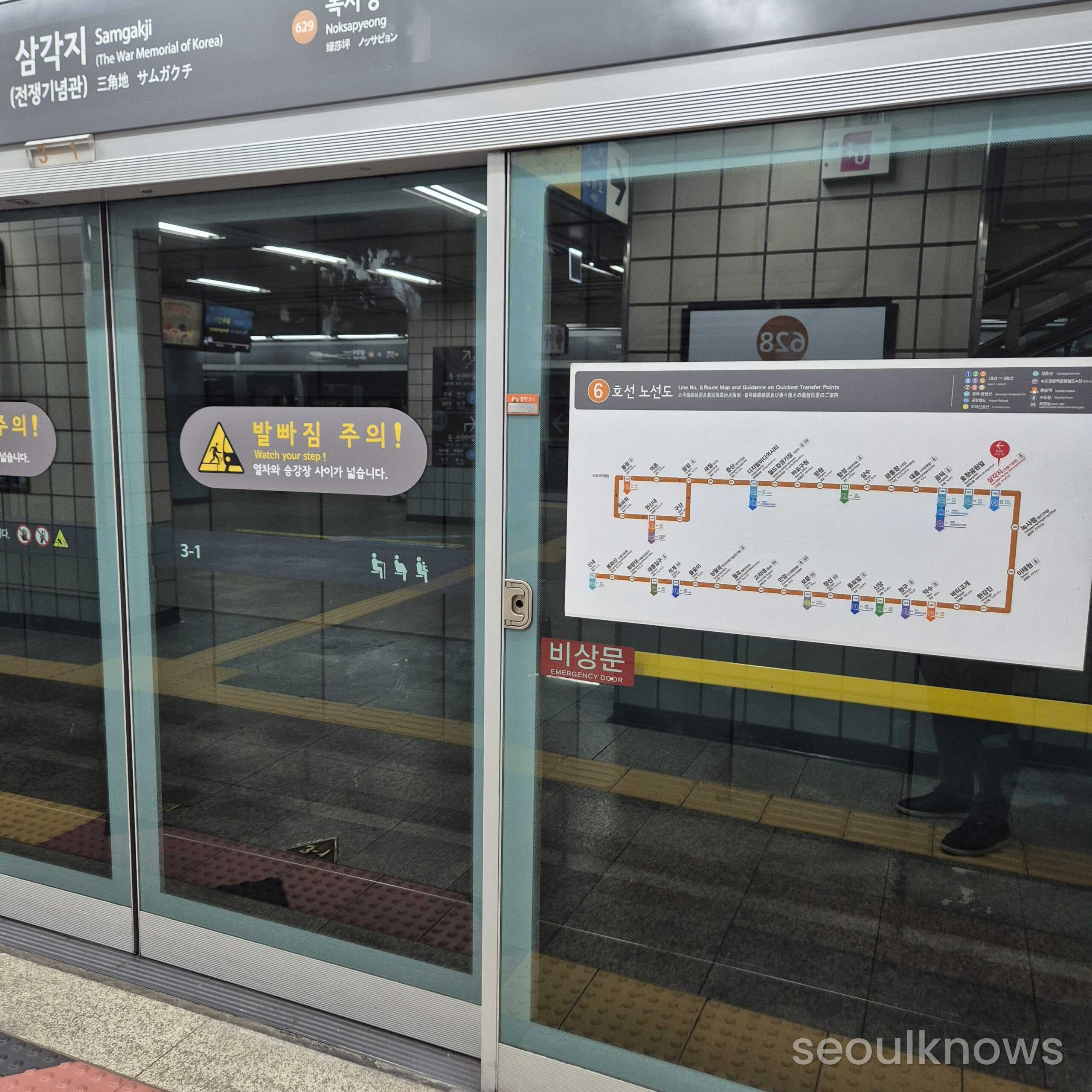
A few shots from our own Seoul commute, the signage, the platforms, the kiosks. The transit system here is exceptionally clean, well-lit, and signposted in four languages (Korean, English, Chinese, Japanese). First-time visitors find it less intimidating than they expect.