
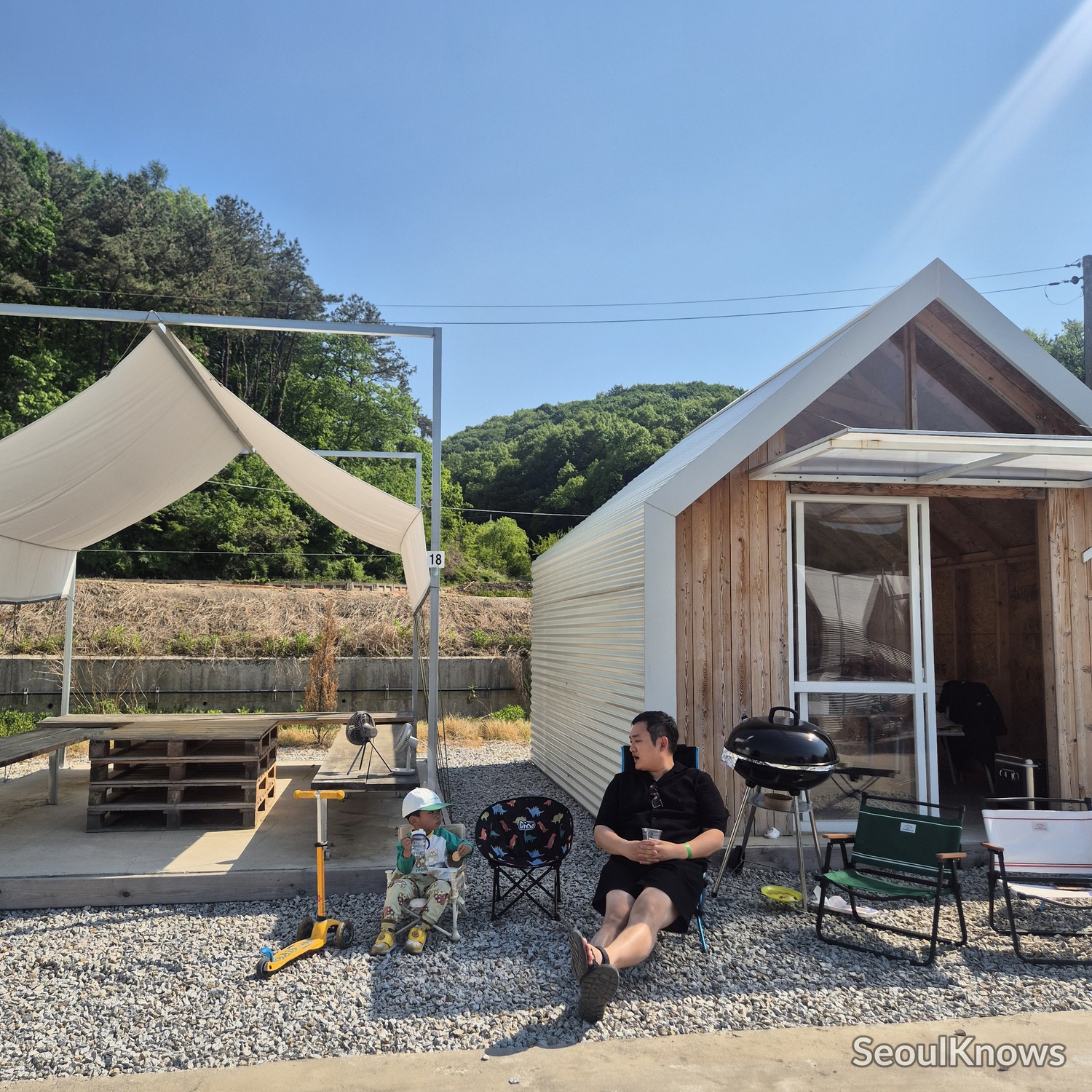
Hi, I’m WY. I’m a Korean who genuinely loves showing my country to the world. I grew up in Daegu, have called Seoul home for over a decade, and spent years working at global tech companies, and along the way I realised how differently visitors experience Korea than we locals do, and how often the good stuff gets lost in translation.
SeoulKnows is my attempt to fix that. Reviews start with a real visit: I actually go, I actually stay, and I write down what I found, including the parts that weren’t great. Guides to public services, housing and transport are checked against official sources, and each page says how it was checked. Where a link earns SeoulKnows a small commission, or a visit is hosted, it’s clearly marked, and it never changes what I write. As a local, I try to catch the things guidebooks miss.
It’s not just for travellers. If you’re a foreigner living in Korea, I hope this helps you understand the place a little better too. I cover Seoul, Busan, and the spots across the country that are genuinely worth the trip.
Why SeoulKnows Exists
I've spent years moving between Seoul, Busan, Jeju, and overseas trips. Along the way, I noticed a pattern: my non-Korean friends consistently asked me the same questions before visiting.
"Which Haeundae hotel is actually worth the price?"
"Is Signiel really better than the Westin?"
"Where do locals actually eat in Seoul?"
"Can you really get by with just one transit card?"
These questions all had detailed answers, in Korean. The Naver blog ecosystem has thousands of meticulous reviews. But English-language Korea travel content was mostly one of two things: ① surface-level "10 things to do in Seoul" listicles written by people who visited once, or ② hotel and tourism board marketing dressed up as travel writing.
SeoulKnows is what I wished existed: honest, local-perspective English content about Korea, written by someone who actually lives here, stays at these hotels, eats at these restaurants, and uses these transit systems every week.
What You'll Find Here
- Living in Seoul, for people who live here or are about to. English helplines, hospitals and pharmacies open on Sundays, rent prices built from actual contracts, housing options, and what to sort out in your first month.
- First Month in Seoul, a checklist for your first weeks in Korea: phone, address, ARC, bank and health insurance, in the order that saves repeat trips.
- Seoul Hacks, 15 free pocket tools for the moments Seoul gets tricky: a taxi card to show your driver, show cards for pharmacies and salons, a trash sorter, a rent decoder and more. Free, and they open right in your browser.
- Seoul Unlocked, which Korean apps work for foreigners, starting from the task you are trying to do. Each app is checked for tourists, new residents and settled residents.
- Live Seoul data, from the city’s own open data: how crowded each area is right now, air quality by district, and subway elevators, lockers and restrooms by station.
- Hotel reviews, of properties I’ve actually stayed in. Signiel Busan, L7 Haeundae, The Westin Josun Busan, Shilla Jeju, Paraspara Seoul (now ANTO), and more. Real pricing, real photos, real opinions, including what’s not great.
- Places to Stay, a wider directory of hotels and hanok by neighborhood. Places I stayed at or visited are marked. The rest are marked Checked: details are confirmed against the hotel, maps and Korean reviews.
- Tips & Guides, the practical stuff foreigners actually need. Airport transit, map apps, paying for things, and the everyday services most travel sites skip: what a nail salon, a hair appointment or a clinic visit really costs in Korea, how booking works, and what to expect once you are there.
- Eat & Drink and Things to Do, restaurants and cafes I have been to, plus what is on in Seoul each week.
How Things Are Checked
- Went, means I was there. Every hotel review is based on a stay I (or my family) actually took, and restaurant and cafe posts are based on my own visits. Photos in those posts are mine.
- Checked, means I confirmed the facts against an official source, such as a government site, a public data feed or the operator, and the page shows the date.
- Guide, means a how-to I wrote from my own experience of living here, with the date it was last updated.
- Honest about weaknesses, Every review names what I didn’t love. A perfect hotel doesn’t exist. If I say it’s worth booking, I mean it.
- Paid links and hosted visits are marked, and they never change what I write.
- Every post says which one it is, in a stamp right under the byline.
Corrections, limits and sharing
Found something wrong or out of date? Tell me through the contact page, or the feedback box at the end of a guide where there is one. I check it against the official source, fix the page, and update its Checked date.
What these guides are not. Visa, insurance, banking and medical rules change, and each office can apply them a little differently. The guides explain how things usually work and link to the official source. They are not legal, medical or financial advice. Before an appointment or a payment, check the linked source or ask the office.
For universities and employers. You are welcome to print and share any guide with students or new staff, free of charge. First Month in Seoul also comes as a one page printable version. If you would like a version for your campus or office, get in touch through the contact page.